By Dan Kellogg
November 3, 2026
Maintaining a pristine and beautiful yard requires significant time and energy from busy homeowners.ass People struggle to balance demanding work schedules with basic yard upkeep. Constant mowing, pruning, and watering drain valuable weekend hours. Homeowners desire beautiful outdoor spaces but lack the spare time for manual labor. Creating a sustainable and manageable yard remains the goal for property owners seeking relief from chores.
Achieving a gorgeous yard without constant labor requires strategic planning and intelligent design. Choosing the correct plants and hard materials minimizes future effort while maximizing visual impact. Professional landscape designers understand how to balance aesthetic appeal with minimal upkeep requirements. Implementing smart techniques allows properties to flourish without demanding constant attention. These low-effort strategies transform overgrown yards into peaceful retreats for busy individuals.
1. Utilizing Native Plant Species
Selecting flora native to the specific region reduces maintenance demands. Indigenous plants adapted to local soil and climate conditions require minimal intervention to thrive. These hardy plants resist local pests and diseases, eliminating complex care routines. Homeowners save time by avoiding constant chemical treatments and soil amendments. Native flora establishes deep root systems, ensuring drought tolerance and robust growth over time.
Watering demands drop when yards feature native foliage instead of exotic imports. Traditional lawns demand constant hydration to remain green and lush throughout summer months. Indigenous plants survive on natural rainfall amounts within their specific regions. Property owners reduce water bills while maintaining vibrant gardens filled with resilient greenery. Conserving water through intelligent plant selection benefits the environment and reduces yard chore burdens.
Creating a cohesive look with native species requires a thoughtful and deliberate approach. Grouping plants with identical water and sunlight needs creates efficient growing zones. Experienced landscape designers recommend clustering indigenous shrubs to create natural borders and privacy screens. This grouping strategy limits weeds by blocking sunlight from reaching the bare soil. Thoughtful placement ensures the garden remains structured and appealing throughout the seasons.
Maintaining native gardens involves occasional seasonal trimming rather than weekly pruning sessions. Indigenous shrubs grow in predictable patterns suited for local climates and environments. Property owners spend weekends relaxing on patios instead of operating heavy trimming equipment. The yard maintains a structured yet natural appearance year-round with basic care. This approach guarantees a thriving ecosystem with minimal human interference.
2. Incorporating Hardscape Design Elements
Replacing natural grass with structured hardscaping offers an excellent low-maintenance alternative. Stone patios, gravel pathways, and paved seating areas eliminate the need for mowing and fertilizing. Hardscape features provide functional outdoor living spaces without the constant upkeep of organic matter. Homeowners gain entertainment areas that remain pristine regardless of severe weather conditions. Sweeping or occasional pressure washing replaces hours of tedious yard work.
Integrating non-living elements requires an upfront time investment but yields long-term relief. Quality materials like flagstone, concrete pavers, and river rock withstand harsh weather elements for decades. Skilled landscape designers integrate these durable materials to complement the home exterior architecture. Solid pathways prevent soil erosion and keep muddy footprints out of the house. The initial installation pays dividends through years of minimal labor.
Beyond saving time, hardscaping upgrades deliver significant financial benefits. Thoughtful exterior upgrades enhance property appeal for future buyers searching for turnkey homes. According to Home Guide, landscaping can increase a home's value by 10% to 30% based on the type of improvements and the quality. Functional stone patios and fire pits can transform a basic backyard into a valuable asset.
Designing hardscaped zones requires proper drainage planning to protect the property structure. Sloping the stones away from the house foundation prevents water damage during heavy storms. Incorporating gravel borders allows rainwater to seep back into the earth. Proper installation prevents puddles and weed growth between individual stone pavers. A well-constructed stone patio provides a permanent, beautiful surface requiring minimal ongoing attention.
3. Installing Automatic Irrigation Systems
Manual watering consumes countless hours during hot summer months and extended droughts. Dragging hoses across the grass and moving mechanical sprinklers creates an annoying daily chore. Automated irrigation systems eliminate this heavy burden for busy property owners. Homeowners program specific watering schedules tailored to distinct yard zones and sun exposures. The yard receives precise hydration without requiring human presence or physical effort.
Modern sprinkler controllers use sophisticated weather data to adjust watering times. Rain sensors halt the system during downpours to prevent destructive and wasteful overwatering. Drip irrigation lines deliver moisture to plant roots, minimizing evaporation and water runoff. Shrubs and flowerbeds receive exact water quantities for optimal health and blooming. Conserving moisture protects the local water supply and reduces monthly utility costs.
Maintaining automated water systems requires simple seasonal checks rather than daily vigilance. Inspecting sprinkler heads for minor clogs ensures even coverage across the lawn. Clearing dirt from drip lines keeps water flowing to the deep root zones. Homeowners drain the underground pipes before freezing weather arrives to prevent cracked lines. These brief seasonal checks replace daily manual watering tasks and heavy lifting.
Burying the water lines keeps the yard looking neat and organized. Invisible underground pipes prevent tripping hazards and accidental lawnmower damage during basic maintenance. Reputable landscape designers map out optimal pipe routes before any new planting begins. Strategic placement guarantees every shrub receives adequate moisture without wasting resources on bare soil. The automated approach ensures lush foliage without the daily hassle.
4. Selecting Perennial Garden Varieties
Planting fresh annual flowers requires a yearly cycle of buying, planting, and discarding dead foliage. This repetitive process drains bank accounts and consumes precious spring weekends. Perennials offer a superior, low-effort alternative for colorful and dynamic gardens. These robust plants return year after year with expanding root systems and bigger blossoms. The garden achieves richer foliage and bigger blooms with each passing season.
Creating a garden that blooms from spring through autumn requires strategic perennial choices. Mixing plants with distinct blooming periods ensures constant color and visual appeal. Visionary landscape designers select diverse perennials to guarantee visual interest throughout the year. Foliage texture and shape provide beauty after the seasonal flowers fade. The yard remains dynamic and engaging without fresh planting efforts every spring.
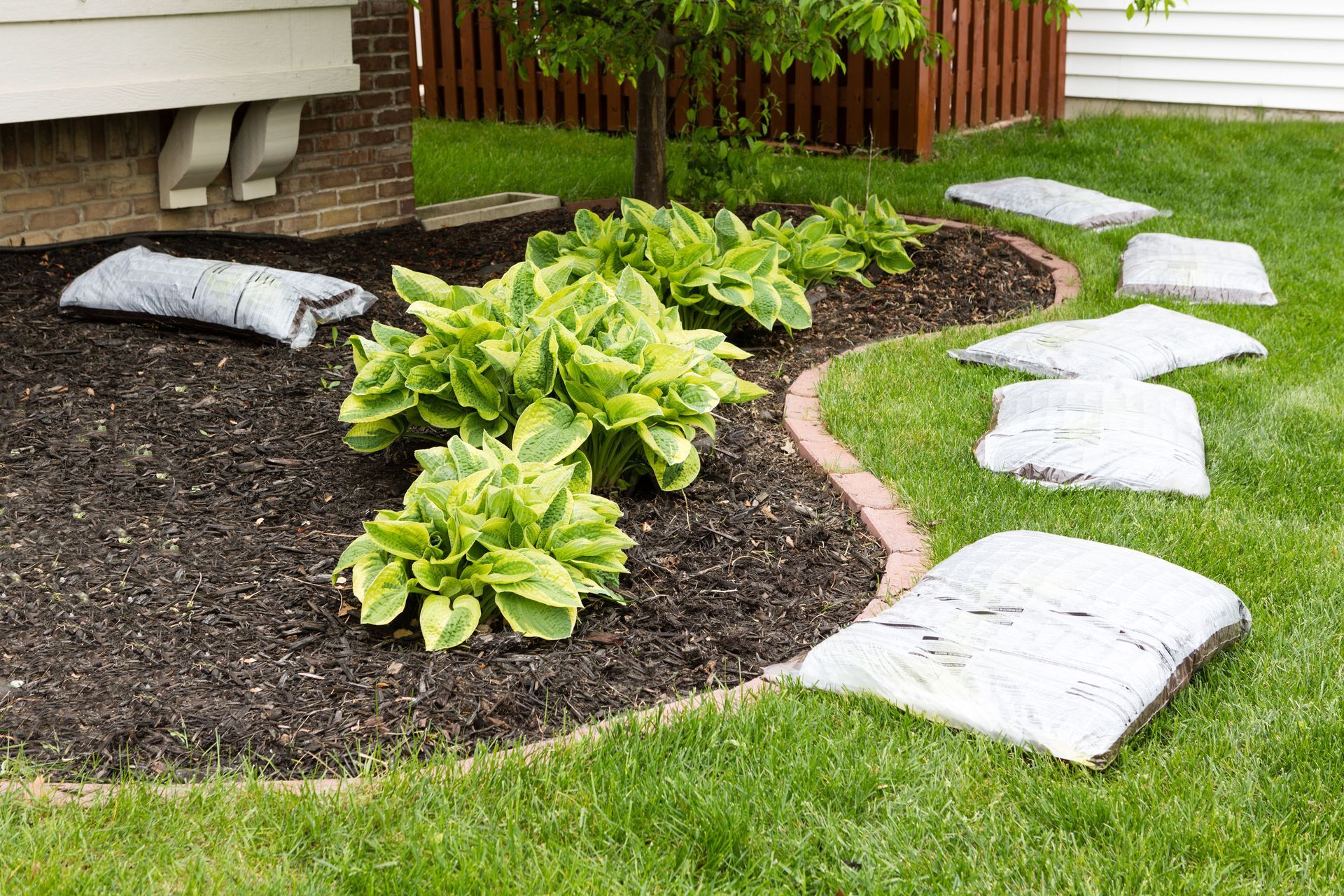
Perennials require minimal maintenance once established in the garden soil. Adding a thick layer of organic mulch around the base retains moisture and suppresses weeds. The mulch acts as a natural barrier, protecting delicate roots from extreme temperature fluctuations. Property owners spend mere minutes spreading mulch rather than hours pulling stubborn weeds. The garden thrives with minimal human intervention and basic organic support.
Dividing large mature perennials yields free plants to fill empty garden spaces. Digging up large clumps and separating the roots rejuvenates the original mother plant. Moving these new divisions to different yard zones expands the total garden footprint. This simple propagation method saves money and encourages robust plant health across the property. The yard becomes a self-sustaining ecosystem of enduring beauty and vitality.
Transforming a labor-intensive yard into a tranquil retreat remains an achievable goal. Implementing these low-effort strategies frees valuable time for busy property owners. Consulting with landscape designers helps individuals craft spaces that thrive with minimal attention. Smart plant choices, durable hardscape materials, and automated systems work in unison to reduce yard chores. Properties maintain high curb appeal without dictating weekend schedules or demanding physical labor.
Reclaiming leisure time allows people to enjoy their outdoor spaces instead of working without rest. A well-planned exterior offers peace, natural beauty, and elevated property value. Homeowners deserve a stunning exterior environment supporting a relaxed and comfortable lifestyle. Embracing these practical design concepts creates a lasting, gorgeous yard for generations. The ultimate reward is a serene, beautiful home exterior requiring minimal human effort. We at BJ's Lawncare & Landscaping Inc are ready to transform your property into a manageable, beautiful outdoor space. Contact us to schedule a consultation with our landscape designers and reclaim your weekends.